
Metal Carport Wind Rating Guide for Norway, SC Homeowners
By Dubya Carports | June 21, 2026 | 8 min read
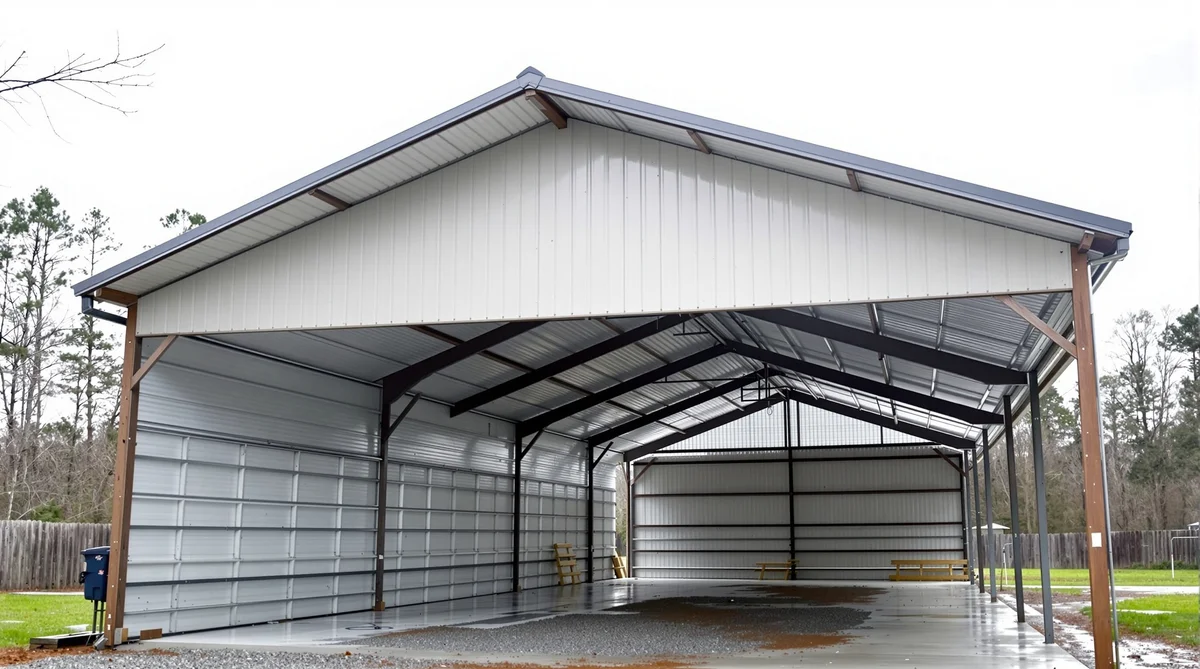
Metal carports in Norway, SC typically need a minimum wind rating of 90-100 mph to withstand South Carolina's severe weather, including tropical storms and hurricanes, though higher ratings of 130-170 mph are recommended for maximum protection in Orangeburg County's hurricane-prone coastal proximity.
Understanding Wind Ratings for Metal Carports in South Carolina
Wind ratings indicate the maximum sustained wind speed a metal carport can withstand before structural failure occurs. For Norway, SC homeowners, choosing the right wind rating is critical because Orangeburg County sits in a region that experiences both tropical storm remnants from the Atlantic coast and severe thunderstorms throughout spring and summer months. Wind ratings are determined through engineering calculations that consider factors like frame gauge, tube dimensions, anchoring methods, and overall structural design.
Most reputable metal carport manufacturers offer wind certifications ranging from 90 mph basic models up to 170 mph engineer-certified structures. At Dubya Carports, our Eagle Carports dealer authorization means we provide heavy-gauge 2x2 square tube metal carports and garages specifically engineered for South Carolina's demanding weather conditions, giving Norway residents peace of mind during storm season.
Minimum Wind Rating Requirements for Norway, SC
Norway homeowners should select metal carports with a minimum 90-100 mph wind rating to meet local weather demands and building standards. While South Carolina doesn't mandate specific wind ratings for non-enclosed carports in all areas, Orangeburg County's proximity to the coast—approximately 65 miles from Charleston—places it within zones that periodically experience hurricane-force winds. Historical weather data shows that tropical systems weakening inland still bring sustained winds of 50-70 mph, with gusts exceeding 90 mph during major events.
For standard vehicle protection needs, a 90 mph certified carport provides adequate coverage for typical storms. However, if you're investing in a larger structure or want enhanced protection for valuable equipment, boats, or RVs, upgrading to a 130 mph or higher rating is a smart long-term investment. The incremental cost difference is minimal compared to potential replacement expenses after storm damage.
How Frame Construction Affects Wind Performance
The frame construction quality directly determines how well your metal carport handles high winds, with heavy-gauge tubing and proper bracing being essential components. Standard economy carports often use 2.25-inch round tubing with thinner gauge metal (18-gauge or lighter), which may be adequate for areas with minimal wind exposure but insufficient for Norway's weather patterns.
Premium structures like the Eagle Carports models we install feature 2x2 square tube construction with 12-gauge or 14-gauge steel, providing significantly greater structural integrity. Square tubing resists twisting forces better than round tubing, and the heavier gauge thickness prevents bending under stress. Additionally, proper cross-bracing, gabled roof designs, and professional-grade anchoring systems all contribute to superior wind resistance.
If you're ready to discuss wind rating options for your property in Norway, call Dubya Carports at (803) 855-1857 for a free consultation and quote on engineer-certified metal carports.
Certification Levels and Engineering Stamps
Engineer-certified carports come with official documentation stamping that the structure meets specific wind and snow load requirements based on calculations performed by licensed professional engineers. For Norway homeowners seeking the highest level of protection and compliance, these certifications are invaluable—especially if you plan to obtain building permits or need documentation for insurance purposes.
Certifications typically come in several tiers:
- Non-certified (90-100 mph): Basic structures suitable for temporary or light-duty applications
- Standard certification (130 mph): Mid-grade protection meeting most residential needs in Orangeburg County
- Premium certification (150-170 mph): Maximum protection with engineer stamps, recommended for high-value assets or properties in exposed locations
The certification process includes detailed load calculations considering your specific installation site conditions, soil type, and local building codes. While certified structures cost more upfront, they often qualify for better insurance rates and provide documented proof of compliance should questions arise during property transfers or inspections.
Anchoring Systems That Enhance Wind Resistance
Even the strongest metal carport frame will fail in high winds without proper anchoring to resist uplift and lateral forces. The anchoring method you choose should match both your carport's wind rating and your Norway property's soil conditions. Orangeburg County's varied terrain includes sandy loam soils near waterways and clay-based soils in other areas, each requiring different anchoring approaches.
Common anchoring options include:
- Rebar anchors: Suitable for lower wind ratings (under 100 mph) in compact soil
- Concrete footers: Recommended for 130+ mph ratings, providing maximum holding power
- Auger anchors: Effective in softer soils when properly sized and installed
- Asphalt anchors: Specialized systems for installations over existing paved surfaces
Professional installation ensures anchors are placed at proper depths and spacing according to engineering specifications. Our Eagle Carports installations include anchoring systems matched to your chosen wind rating and site conditions, eliminating guesswork and ensuring optimal performance.
Additional Factors Norway Homeowners Should Consider
Beyond wind ratings, Norway residents should evaluate several other factors when selecting a metal carport for long-term satisfaction and performance. The roof style significantly impacts wind handling—vertical roof designs with panels running from peak to eave shed wind and precipitation most effectively, making them the best choice for areas expecting severe weather. Regular roof styles work for basic coverage, while horizontal roofs (economy style) should generally be avoided in Orangeburg County due to limited wind and snow resistance.
Consider your intended use as well. If you're protecting agricultural equipment common to Norway's farming community, or storing boats used at nearby Lake Marion, investing in higher wind ratings and enclosed garage options provides better security. We also offer traditional pine pole barns for customers preferring classic aesthetics combined with modern metal roofing durability.
Finally, think about local building codes and HOA requirements. While rural Norway properties often have fewer restrictions than subdivisions, checking requirements before ordering prevents complications. Our team at Dubya Carports can help navigate Orangeburg County's permitting process and ensure your structure meets all applicable standards while providing the wind protection your investment deserves.
Frequently Asked Questions
What wind rating do I need for a metal carport in Norway, SC?
Norway, SC homeowners should choose a metal carport with at least a 90-100 mph wind rating for basic protection, though 130 mph or higher is recommended for optimal hurricane and severe storm resistance. Orangeburg County's proximity to the coast means tropical systems regularly bring high winds that can damage under-rated structures.
Are engineer-certified carports worth the extra cost in South Carolina?
Yes, engineer-certified carports are worth the investment in South Carolina because they provide documented proof of structural integrity that may be required for permits and insurance. The certification ensures your structure meets specific wind load requirements for your location and often results in lower insurance premiums and better resale value.
How does square tube framing compare to round tube for wind resistance?
Square tube framing provides superior wind resistance compared to round tubing because it resists twisting forces more effectively and distributes stress across a larger surface area. Heavy-gauge 2x2 square tube construction, like that used in Eagle Carports, offers significantly better structural integrity during high-wind events than standard round tube economy models.
What type of anchoring is best for metal carports in Orangeburg County?
Concrete footers provide the best anchoring for metal carports in Orangeburg County, especially for structures with 130 mph or higher wind ratings. The specific soil conditions on your property should guide the final decision, with auger anchors working well in softer soils and rebar anchors suitable for lower-rated structures in compact ground.
Do I need a building permit for a metal carport in Norway, SC?
Permit requirements for metal carports in Norway and Orangeburg County vary based on structure size, location, and whether it's enclosed. It's best to check with local building officials before installation, and working with an experienced installer like Dubya Carports can help navigate the permitting process and ensure compliance with all regulations.
Published June 21, 2026 | Dubya Carports serves Orangeburg, Sumter, Summerville, Bamberg, Holly Hill, and surrounding counties in the SC Midlands.
Get a Free Estimate
Custom carport installation in Orangeburg County. Call us today for a no-obligation quote.
(803) 855-1857 Free Estimate Form